25 March 2026
Regional councils already represent flood resilience
Regional and unitary councils are committed to building a safer, more resilient country. This includes providing physical flood infrastructure as well as broader climate adaptation measures. Investment by individual councils, as well as co-investment by central and local government, has seen many places benefiting in recent times from upgraded defences and systems. However, there's more to do and the stakes are high. We must set ourselves up for success.
In a recent article for NZ Local Government Magazine, Regional Sector Chair Deon Swiggs outlined that regardless of the future shape of local government, "flood resilience must remain a continuous, catchment-scale delivery function with clear accountability, secure funding, and strong technical capability. Flood risk transcends district boundaries and electoral cycles. It requires management across whole river systems over decades by organisations with extensive engineering, environmental science, and community engagement expertise," said Chair Swiggs.
The article also discusses the mature, productive relationship between Te Uru Kahika and central government on resilience investments that recognises prevention is safer and more economically rational than post-disaster recovery.
Read the full article here: Regional councils already represent flood resilience
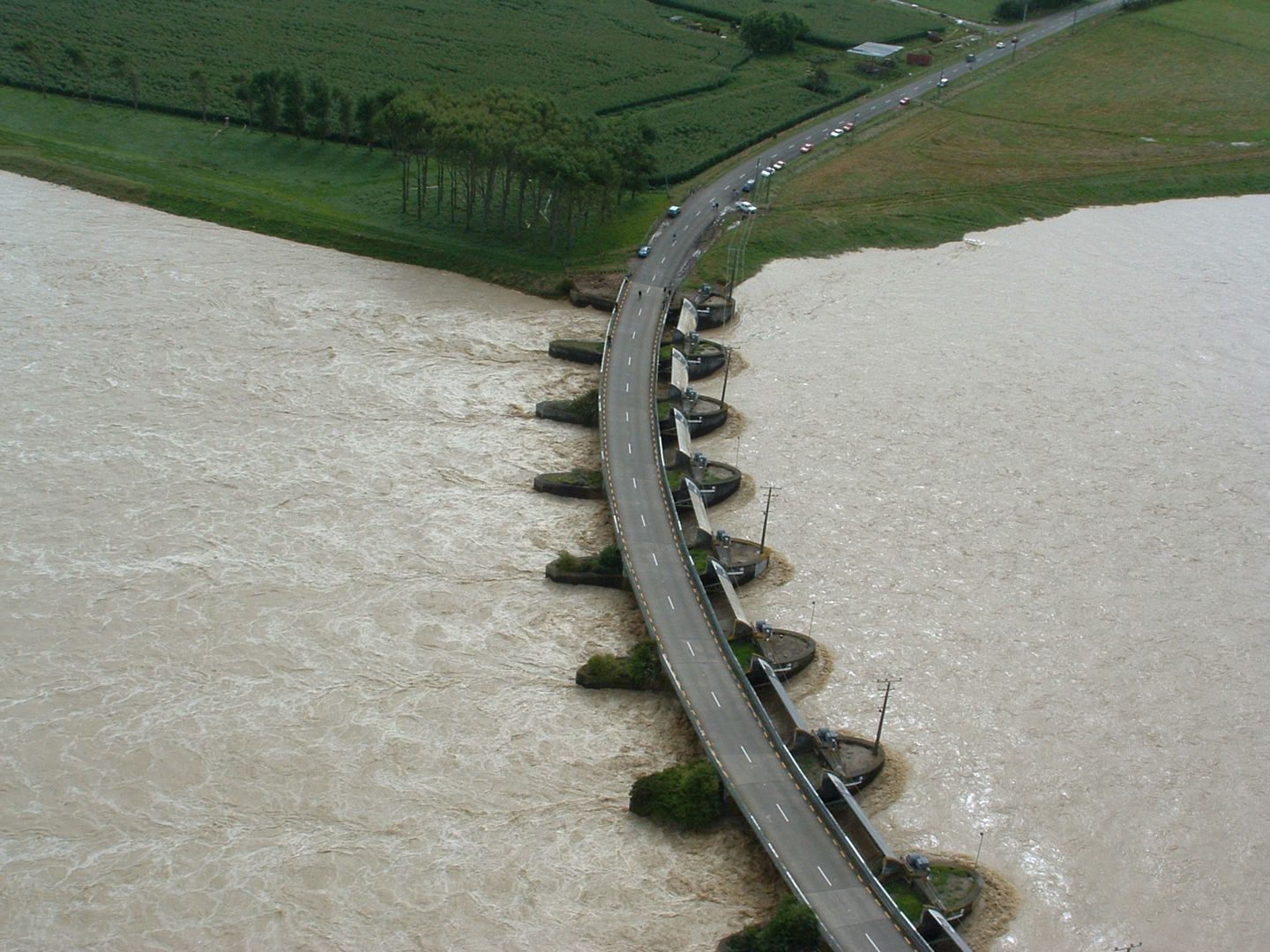
Moutoa Floodgates, near Foxton.
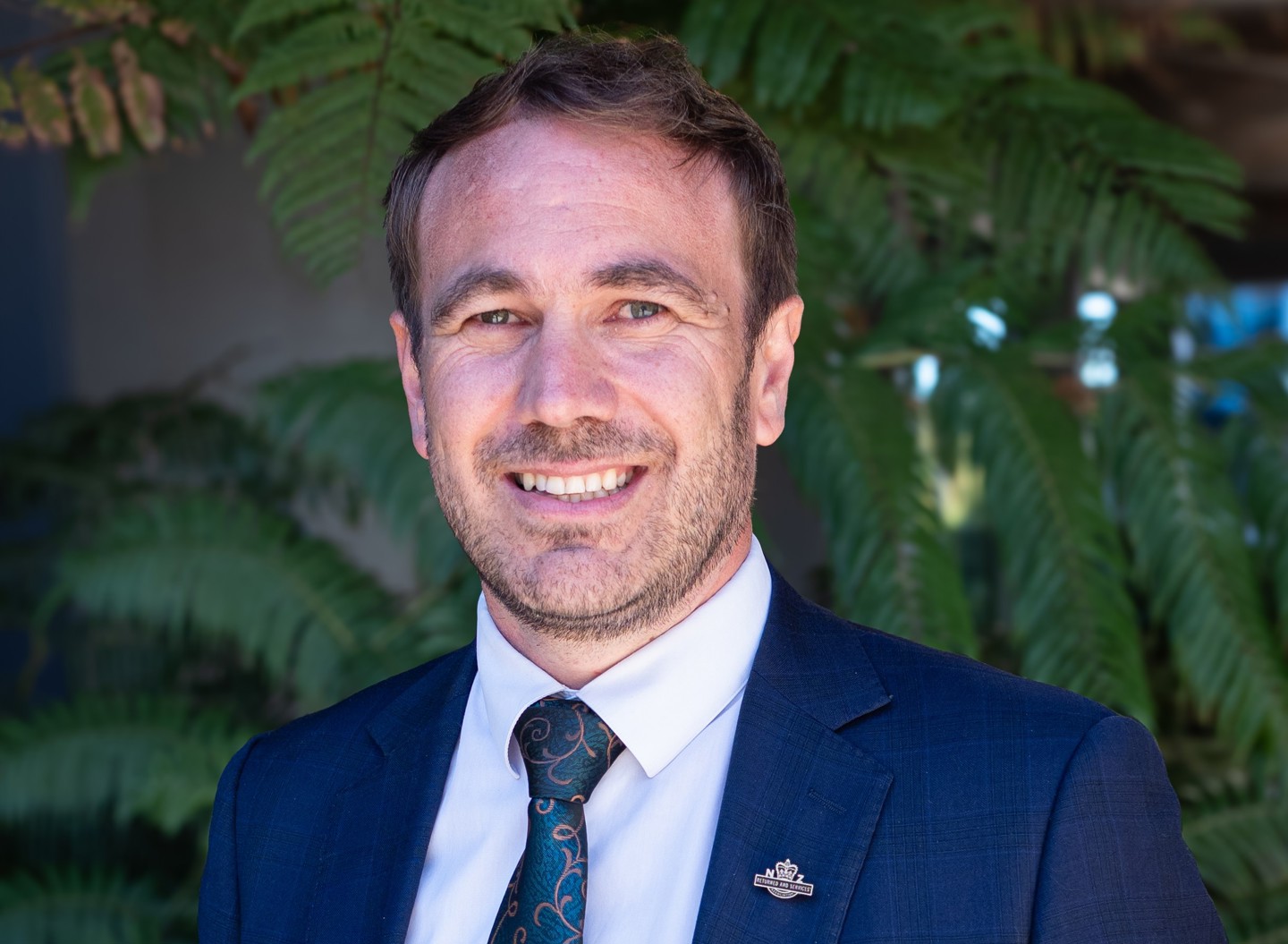
Dr Deon Swiggs, Chair of the Canterbury Regional Council, Chair of LGNZ Regional Sector, and Resource Management Act Commissioner.