Evolving Partnership Models for Community‑Led Biosecurity in Northland
17 March, 12:00pm
Free registration
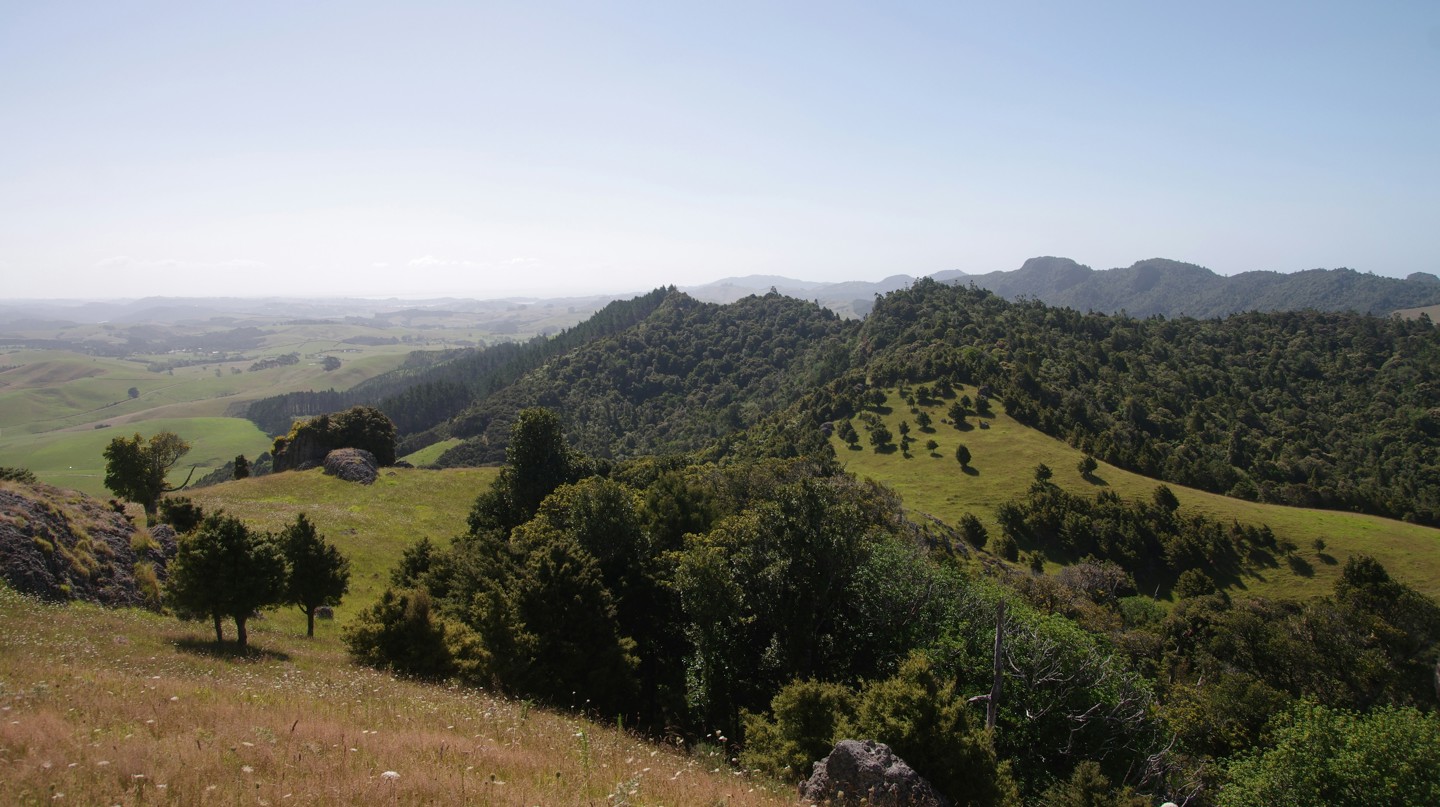
The High Value Areas (HVA) programme supports community‑led, landscape‑scale pest management in places with both high biodiversity value and strong community capacity. HVAs relies on a partnership between the Northland Regional Council and community where the total cost of the project is resourced through a targeted biosecurity rate, volunteer in kind contributions, and other sources of funding. This model has driven major gains across the six community-led HVAs.
The 2024–25 Long Term Plan created the Mid‑ and Far North Partnerships Biosecurity Fund which does not require the same level of in-kind contribution from the community.
This presentation will outline the structure, delivery, and some key achievements of our six community-led HVAs, before explaining how the Mid and Far North Biosecurity Fund operates and highlighting the early successes of its three hapū led projects.
Presenters:
Dai Morgan - Northland RC
Te Tiriti Strategy and Partnerships in Action
22 April, 11:00am
Free registration
Implementing Tāiki ē — Our Roadmap for Te Tiriti Partnership
Join us for an in-depth session on Tāiki ē, the Northland Regional Council’s co-designed Te Tiriti Strategic Intent and Implementation Plan. More than just a policy document, Tāiki ē serves as a "unifying statement and a call to action," providing a clear roadmap to ensure council and its partners are accountable for fulfilling Te Tiriti obligations.
In this webinar, we will explore how the strategy's 31 specific priority actions are being integrated across all facets of council operations—from regulatory services and environmental monitoring to climate resilience and economic development. We will discuss the five strategic focus areas (Ngā Whainga) that guide our mission: He iwi tahi tātou kia ora ai te taiao—Kāwanatanga and Rangatiratanga working together for the wellbeing of the environment. Key takeaways for staff will include:
• A Culture Shift: Understanding how Tāiki ē empowers staff with a clear direction and mandate to work in a way that respects Te Tiriti principles.
• Operational Integration: How the strategy influences core mahi, including resource consents, biosecurity responses, and infrastructure co-design.
• Partnership in Action: Learning from successful projects like the Otiria–Moerewa Spillway and the Climate Resilient Communities Fund.
• Accountability: Insights into the bi-annual Te Tiriti Health Check and how we measure progress against our shared goals.
This session is an essential opportunity for all kaimahi to understand their role in delivering on our commitments to tāngata whenua and building an enduring, meaningful partnership for the benefit of Te Taitokerau.